
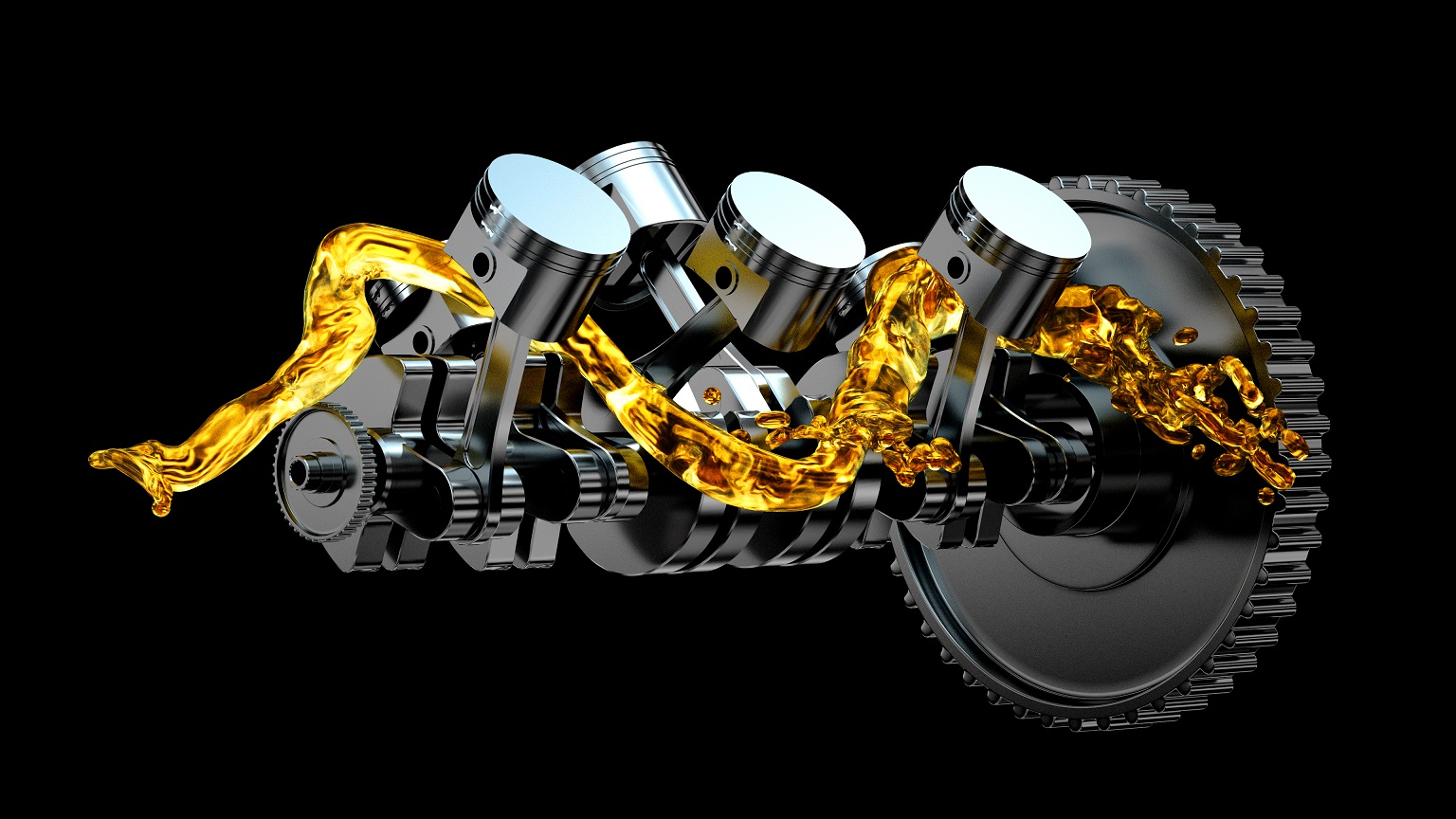
Using the wrong type of oil in your car can have serious consequences for your engine. Oil serves as a lubricant for the moving parts of the engine, and using the wrong type of oil can result in poor performance, decreased fuel efficiency, and even engine damage. In this post, we will explore the consequences of using the wrong oil in your car and why it is important to always use the recommended oil for your vehicle.
Poor Performance: Using the wrong type of oil can lead to poor engine performance. For example, if you use an oil with the wrong viscosity, it may not be able to properly lubricate the engine’s moving parts, causing them to wear down faster. This can result in decreased engine power and acceleration, as well as increased engine noise and vibration.
Decreased Fuel Efficiency: Using the wrong oil can also decrease your car’s fuel efficiency. This is because the wrong type of oil can increase friction between the engine’s moving parts, causing it to work harder and burn more fuel. Over time, this can add up to increased fuel costs and a decrease in overall fuel efficiency.
Engine Damage: The most serious consequence of using the wrong oil is engine damage. This can occur if the oil is too thick or too thin, or if it does not have the correct additives to protect the engine. The wrong oil can also lead to a buildup of sludge and deposits inside the engine, which can cause clogs and damage to internal parts. If left unchecked, this can result in costly engine repairs or even the need for a complete engine replacement.
Voided Warranties: Using the wrong oil can also void your car’s warranty. Many car manufacturers require that you use specific types of oil to maintain the warranty, and using the wrong oil can be seen as neglect or improper maintenance, which can void the warranty.